
WE SPEAK FLUENT HISTORY!
At the heart of our free museum’s offerings are a range of educational programs and captivating exhibits. We provide exciting activities that cater to all age groups, encouraging visitors to immerse themselves in the history of Sedalia. Each exhibition reflects the heritage of the community, allowing guests to connect with the past and learn about the local culture. We believe education is key to fostering a deeper appreciation for our unique history.
We are an affiliate of History Colorado.
History
Our museum is a restored Victorian Queen Anne cottage, opened in 2009, following four years of effort. Restoring the little house required more than $150,000, community support, grants, and fund-raising events.
Read more about our own history and how we created the museum: History of the Museum House.
Our Team
Board members
- President Betty Purkey-Huck
- Vice President Mary O’Pry
- Secretary Jenny Schechter
- Treasurer IdaLynn Gedde
- Member-At-Large Carole Williams
Volunteers
Just as volunteers come in all shapes and sizes, so do their talents. Some of the Museum’s volunteers specialize in creating displays while others are busy doing research, and others work to create the Sedalia View quarterly newsletter. Whether your talent is scrapbooking, photography, public speaking or research, you’ll find a place at the Sedalia Museum.
Volunteers staff the Museum on Saturdays from May through September from 1-5 pm. In addition to fundraising activities, like our Plant Sale, to support Museum activities we have a 4th of July celebration and a Winterfest community activity in December.
Volunteer efforts have produced nine books, edited by Museum founder Barbara Machann. Books include Sedalia history, a picture book of Douglas County’s barns, and a series of volumes on outstanding women of Sedalia as well as a book on outstanding men.
Our Committees
We have various committees within the museum.
- Activities/Events: Reviews suggestions and develops Museum calendar events and activiites for the year. Jenny Schechter, Tinker Barnett, Betty Purkey-Huck.
- Acquisitions: Handles all acquisitions and donations made to the Museum. Photographs and catalogs all acquisitions. Maintains order in the basement. Mary O’Pry.
- Computer: Handles the Museum computer, printers, and supplies. Manages the website. Cathy Comstock.
- Community Cupboard: Makes sure the community cupboard is filled. Watch for expired or inappropriate food. Kim Whitlock.
- Displays: Researches, acquires, and makes display materials for the Museum. Change out displays as needed. Mary O’Pry, Betty Purkey-Huck..
- Gardens: Establishes and maintains plants in the Museum Gardens with help from the CSU Extension Master Gardeners. Provides tours when requested by the Tours Committee. Ursula Rogers.
- Growers: Grow plants to support an annual plant sale with proceeds going to the Museum. They have a separate budget provided by the Museum. Nena Robbins
- House: Reviews the condition of the Museum building and recommends repairs. Handles decorations for special occasions. IdaLynn Gedde.
- Landmark: Work with homeowners who are interested in getting their buildings designated as landmarked and eligible for grants. Mary O-Pry, Carole Williams.
- Little Library: Make sure the lending library has books available for kids and adults to borrow. Goes through donations and repurposes those that can’t be used. Kim Whitlock.
- Membership: Carole Williams
- Roster: Maintains the information on all members and the status of dues payments. Jenny Schetchter.
- Sedalia View: Handles content, ads, and publications. Jenny Schechter.
- Tours: Handles all requests for tours and scheduling of tours. Mary O’Pry
The Growers
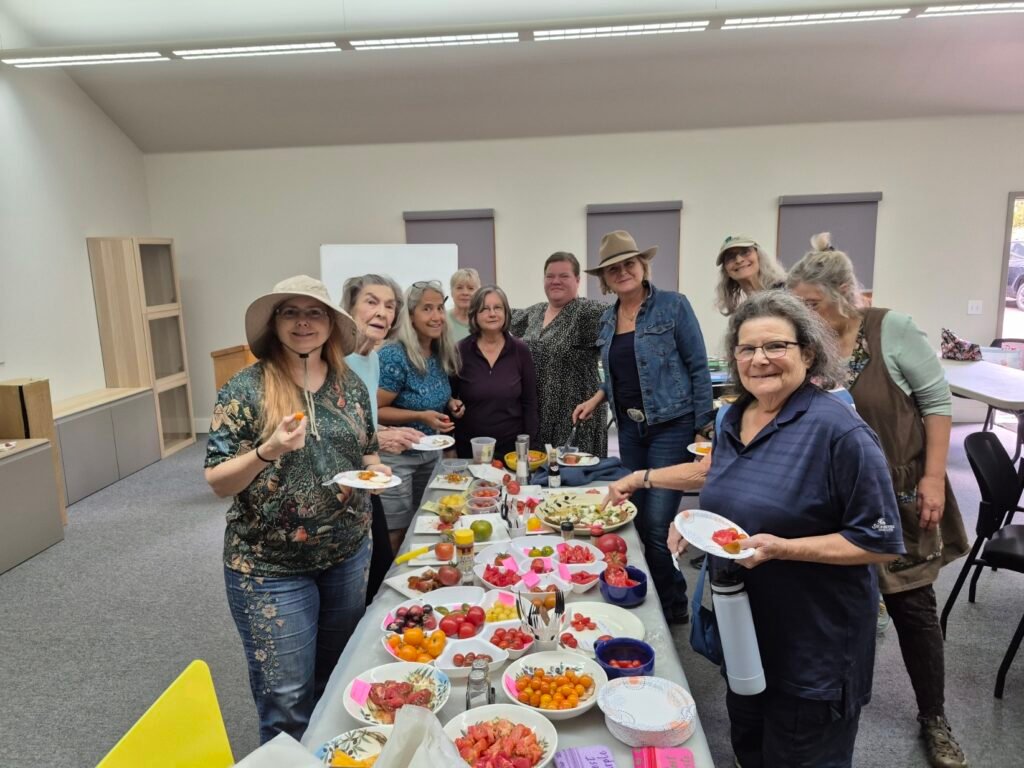
The Grower’s Committee is a casual friendly group of local gardeners. Every Spring the club hosts an enormous plant sale to raise money for the museum. In the fall, they taste their various tomatoes.
Community Cupboard

The Museum has a neighborhood community pantry stocked with items to help those in need. The pantry is stocked by Sedalia friends, neighbors and the Museum. The pantry is available year-round.
If you are in need, please feel free to take what you need, but please don’t completely empty the pantry; remember there are others in need. We monitor it and will try and keep it restocked. When you are able, please pay it forward and help us keep the pantry restocked.
For those leaving items, please don’t put fresh fruits, vegetables, bread or frozen items in the pantry. Chocolate and other things that melt also won’t work. These items spoil very quickly. The pantry is in the sun and also gets cold and things freeze. Cans that don’t require a can opener and have a pull tab as the best.
Items for the pantry can be left on the porch of the Museum or put in the pantry.
We appreciate all donations. Thank you!
Little Library
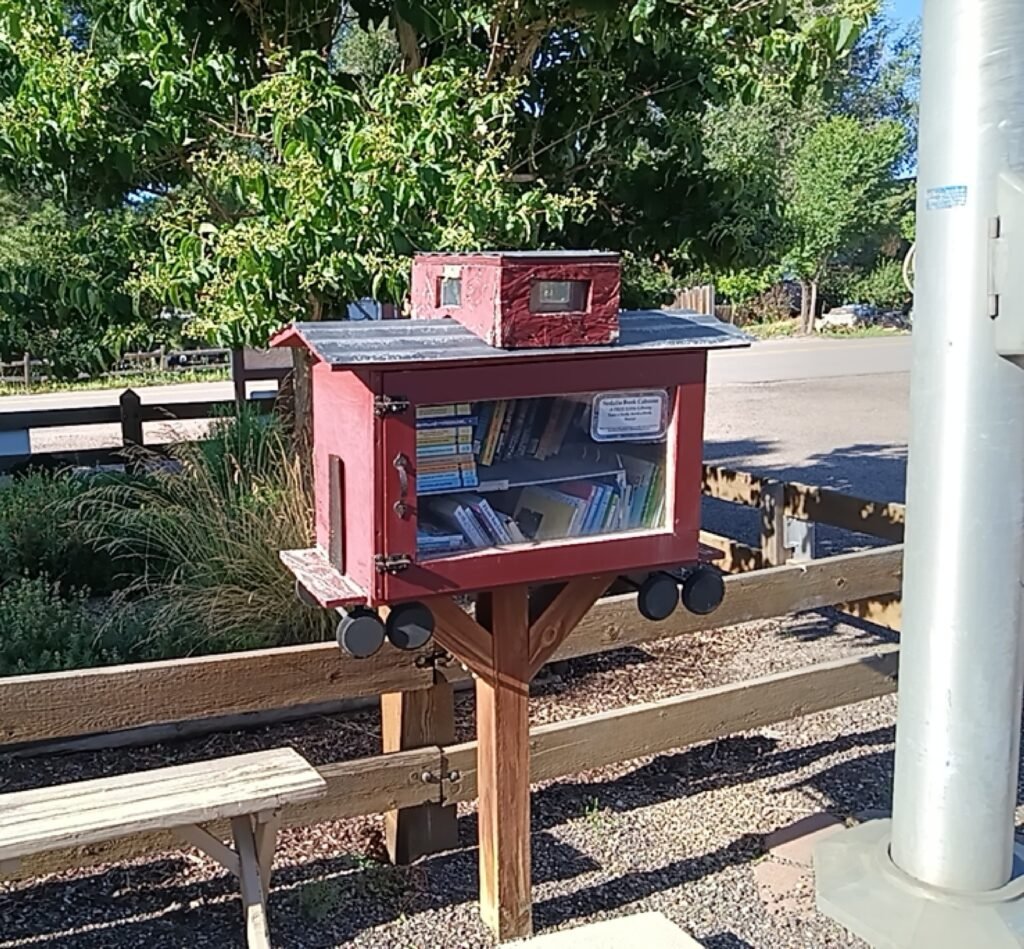
The Museum has a small library that was a Girl Scout Gold Award Project and was proudly made by Kelly Winn. Its design is a railroad car and holds books that are available for people to take.
The small size of the design restricts the size of books that can be offered. Large books won’t fit. We don’t put cookbooks or religious books in the library.
Books in the library are available for you to take and keep or take or bring back if you’d like. We encourage you to come and peruse the books and take one if you’d like.
Books for children, young adults and adults are available in the library. The books are donated by friends and neighbors in Sedalia. So, if you have books that you would like to get rid of, please think of this place. You can leave the books at the Museum. We monitor the library and keep it stocked and restock it.
Barn Quilts
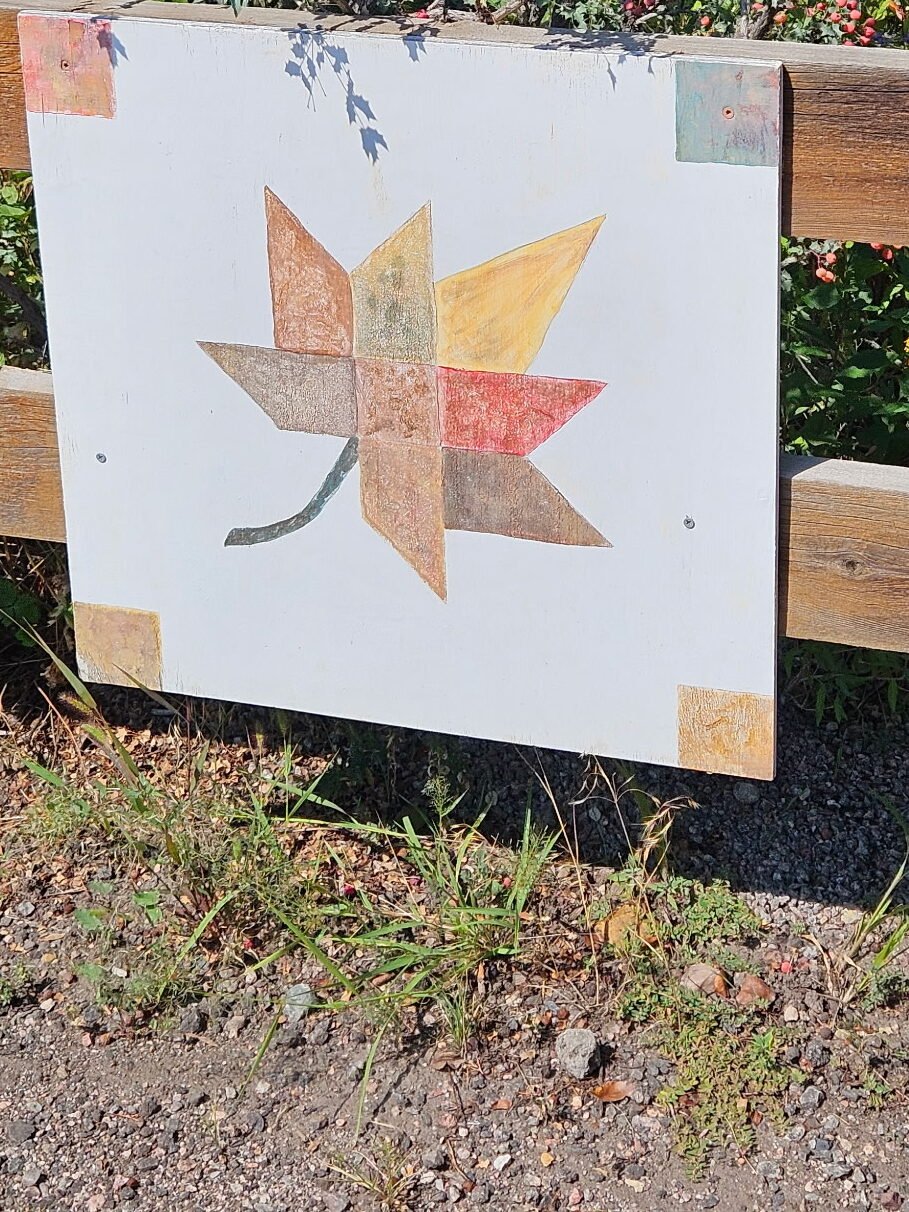
Sedalia is proud to host its own version of the national Barn Quilts Project. Started in Ohio in the 1980s, counties from California to the Carolinas have now created and displayed barn quilts. The “quilts” are made of wood with a one block single design. Traditional sizes range from 4’ x 4’ and larger. Barn quilts have become a local interest and people travel all over the country to view them.
In Colorado, barn quilts are found in many towns, including Colorado Springs, Littleton, Golden and Loveland. Sedalia’s barn quilt project was started by Bev and Andy Wiedeman in 2012. The first barn quilts were displayed that fall in conjunction with the bi-annual quilt show held at the Sedalia Fire House Great Room. The Sedalia barn quilts were bought by or donated to local merchants to support the Sedalia Fire House Museum.


Little Houses
Our little houses are maintained by Ursula Rogers, a Colorado Master Gardener and Keeper of the Gardens. She wrote the following article which was published in the Sedalia View, Vol 14, Issue 3, September 2025.
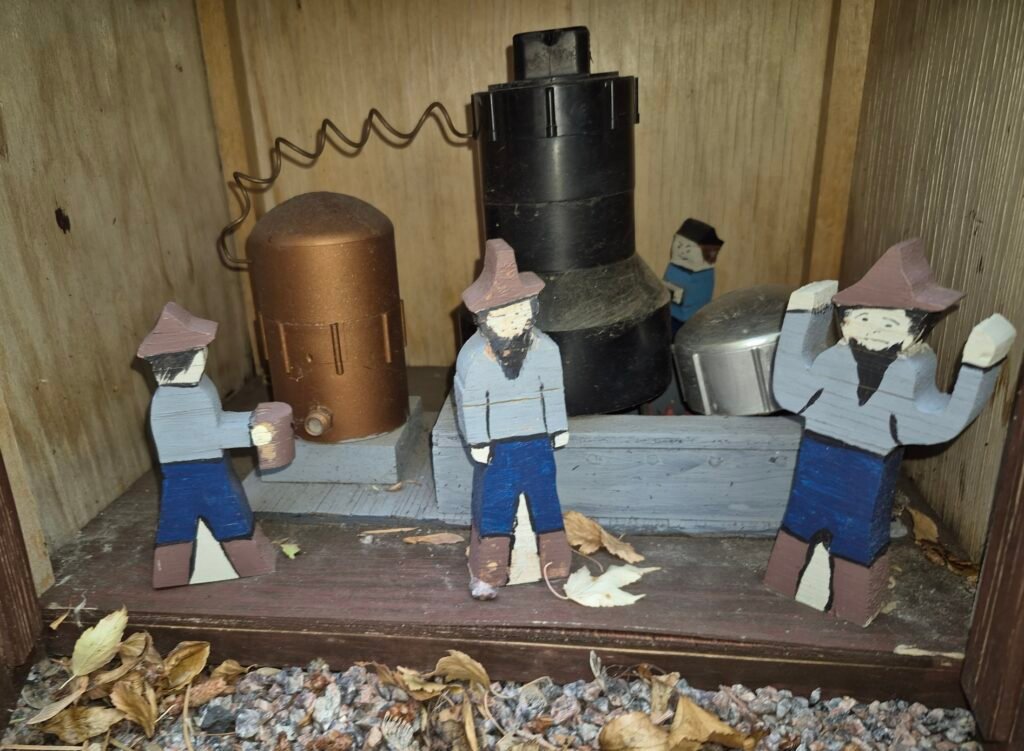
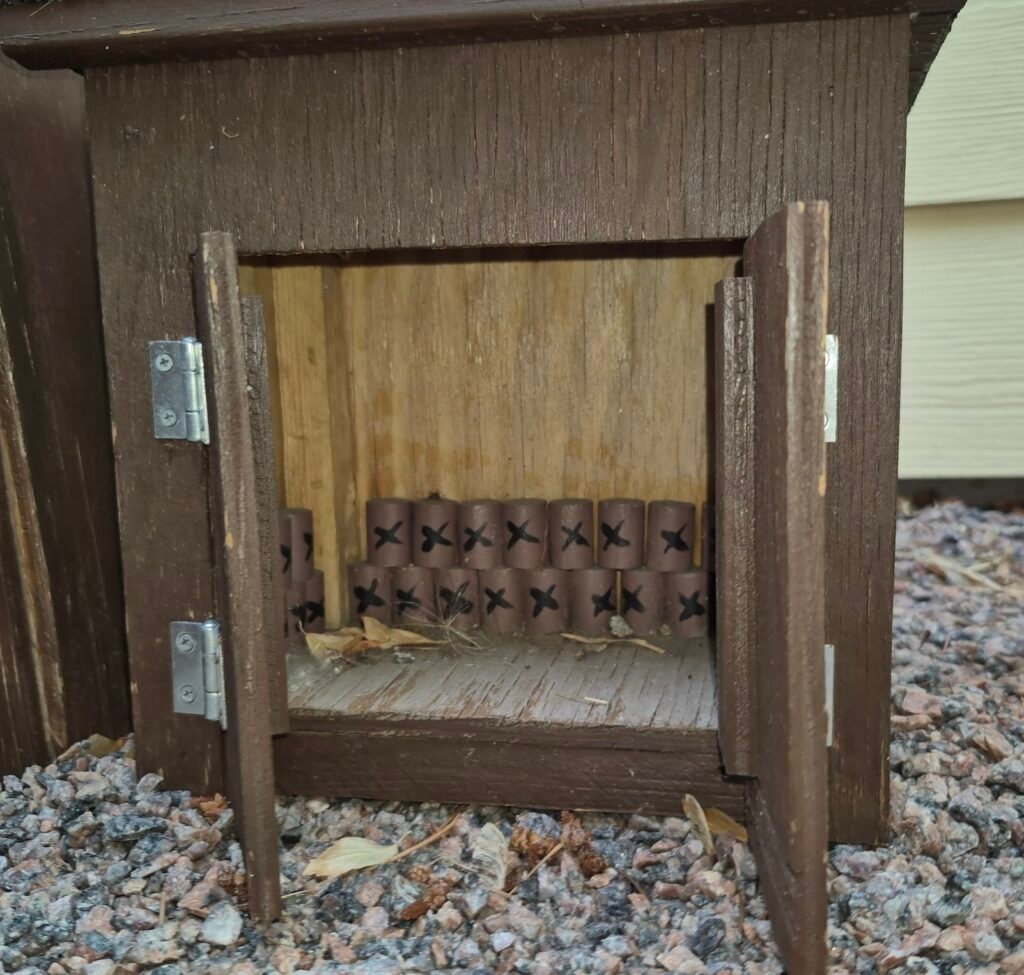

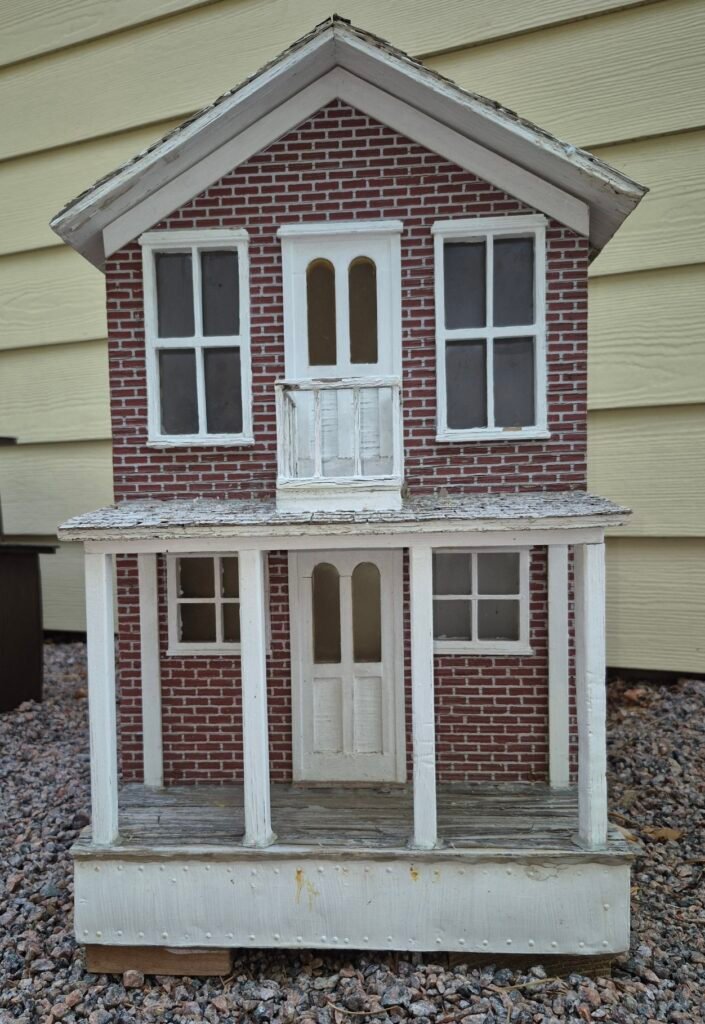
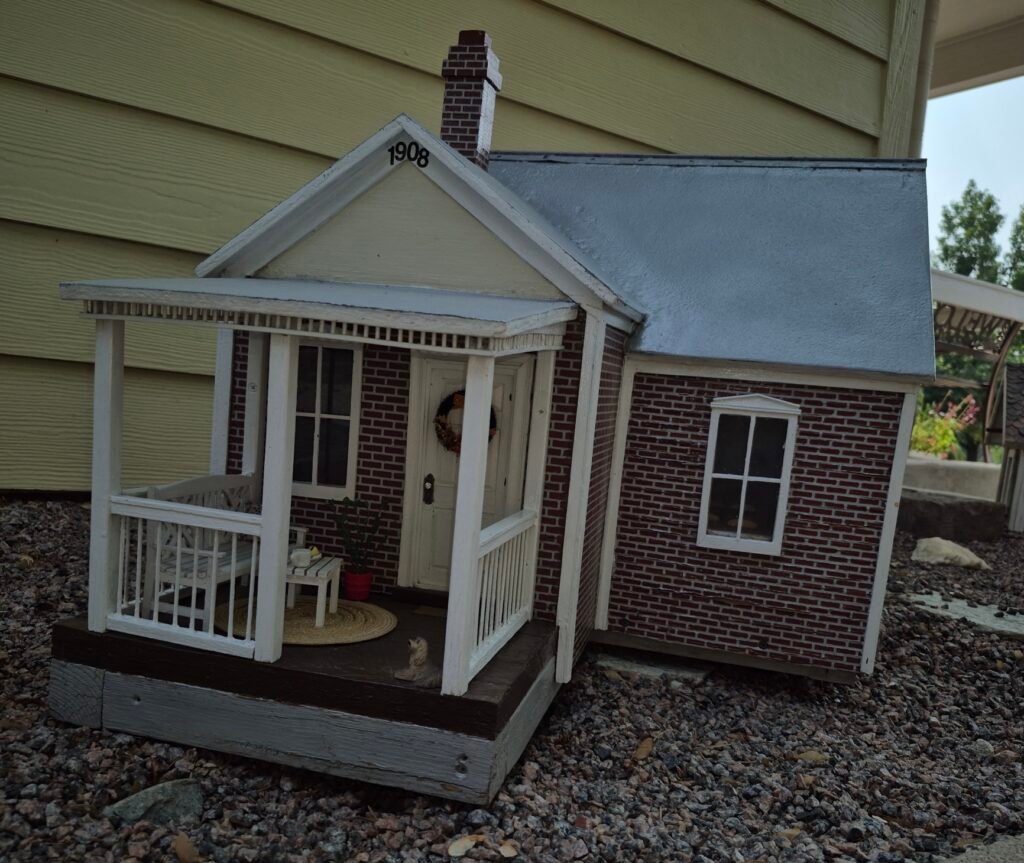
Have you walked around the Museum and Gardens lately? But have you seen the miniature houses in their new home? For some time now they have been living on the north side of the building and will be available to view until late fall. At that time, we will bring them inside to protect them from the weather only to move them back out in spring.
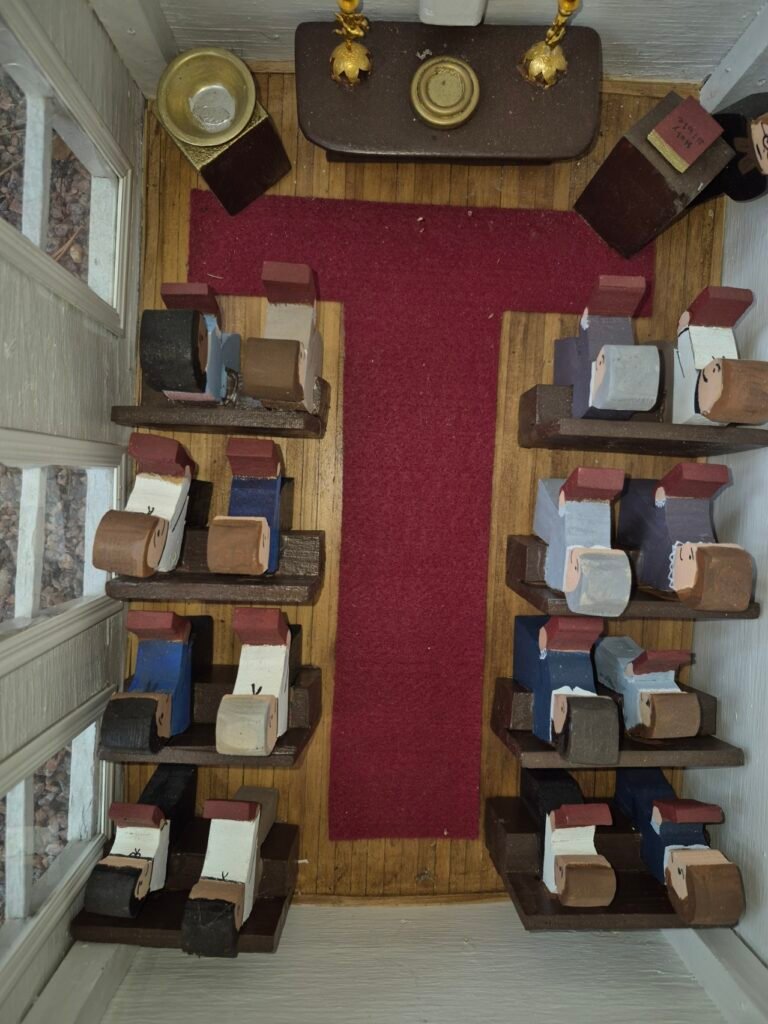
In case you are not familiar with our little “Sedalia Miniature”, these are houses built by Dr. James O’Hearn as part of his county town collection and are replicas of historic local buildings. There’s the Manhart House, the Manhart General Store, the Victor House, the Still with the Douglas County Sheriff in hot pursuit, St Philip in the Field Church with the minister giving a serious sermon. (If you look carefully, you can see that his face looks indeed worried; maybe because the still is right next door?) and others. The interior of most can be viewed by lifting up the roof or opening the front door and peeking in.
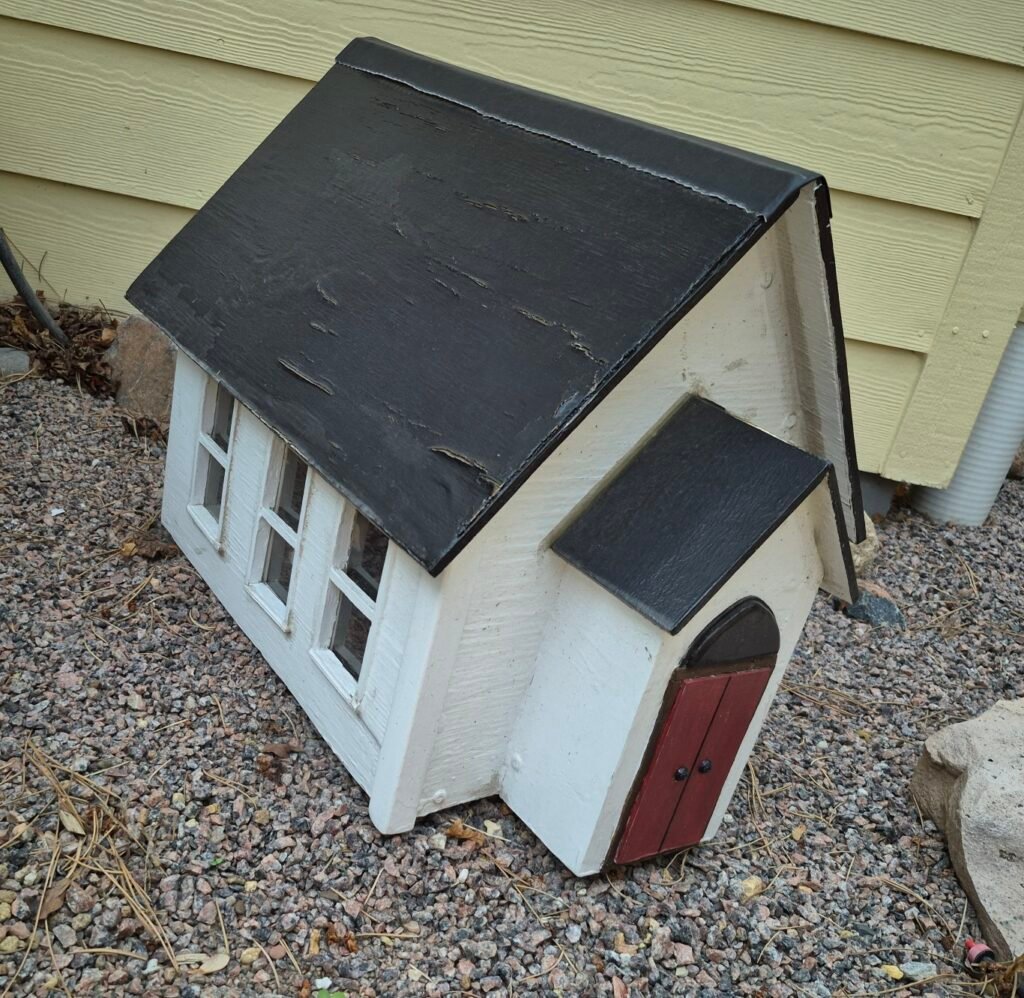
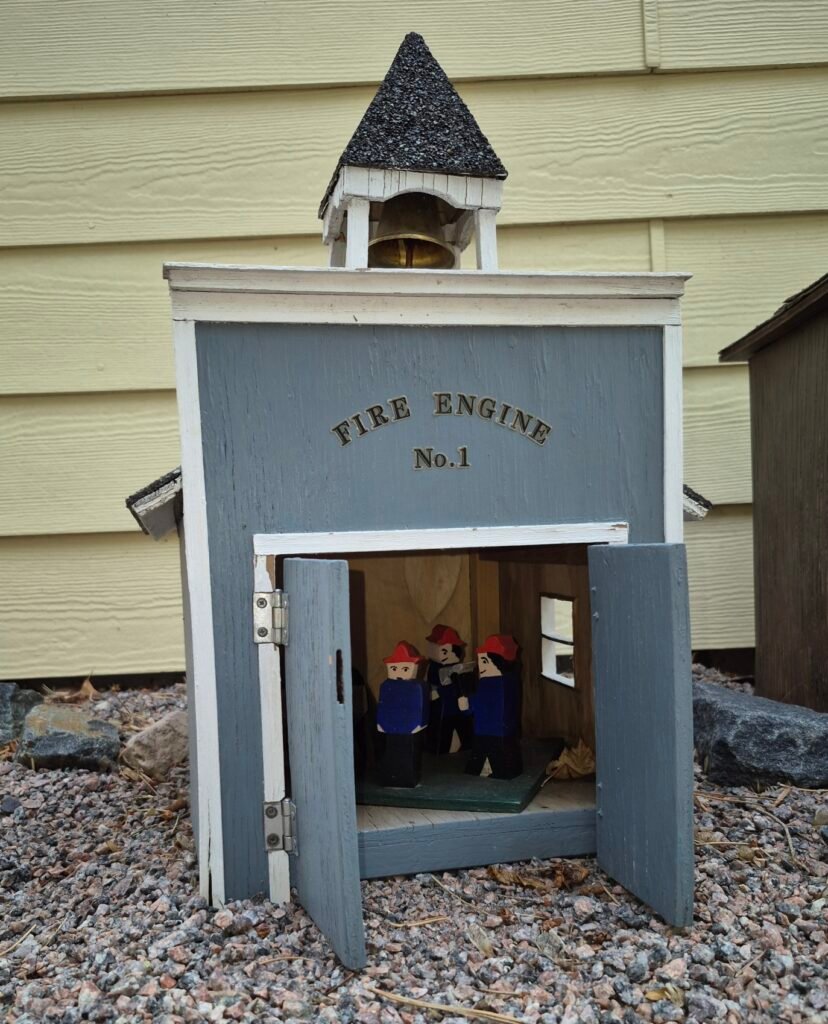
Look for a brief history of each house making an appearance soon in the museum kiosk in front of the garden. And did you see the refreshments set out on the front porch of the Manhart House? It’s always good to take a break and enjoy the gardens. We had fun creating this new home for our houses and we hope that you, young and old, have fun looking at them while visiting the garden.

Historic Sedalia Walk
Sedalia, Colorado: A sleepy little town? Not really. Join our historic Sedalia walk and find out about a murder, two attempted robberies, and a house with a ghost. In addition, you can learn about the history of Sedalia, see its old buildings (or pictures of them) and enjoy a nice walk. Join us by reserving a space with a group of 3 or more. Contact Betty at bhpck2@gmail.com or (303) 688-4983 to reserve space. There is no charge.
Tours
Our tours are free.
Contact Mary O’Pry for a personal tour of the museum at 303 688-5339 or email maryopry@aol.com. Even though we are only open May through September, people can call and set up a tour from September through December 1st.
Contact Ursula Rogers at the CSU Extension Office (303) 730-1920, for a tour of our gardens.
Join Us
You Can Help Sedalia Museum and Gardens
Volunteers and community support are essential to both the Museum and Gardens. There are several ways you can help.
Loan or donate items of local interest, particularly those from Sedalia families, businesses, or organizations.
If you are a present or former resident of Sedalia, share your family’s history and permit the Museum to duplicate early family photos.
Join the Museum volunteers, who meet the fourth Friday of the month. Volunteers work in the Museum when its open, hold fundraisers and community events, and share information on Colorado history.
Become a Supporting Member. Your gift of $15 or more helps maintain the Museum and Gardens.
Volunteer activities may include staffing the museum a couple times a month during the summer. Some of us give tours, or write articles for the Sedalia View. Some grow tomatoes!